
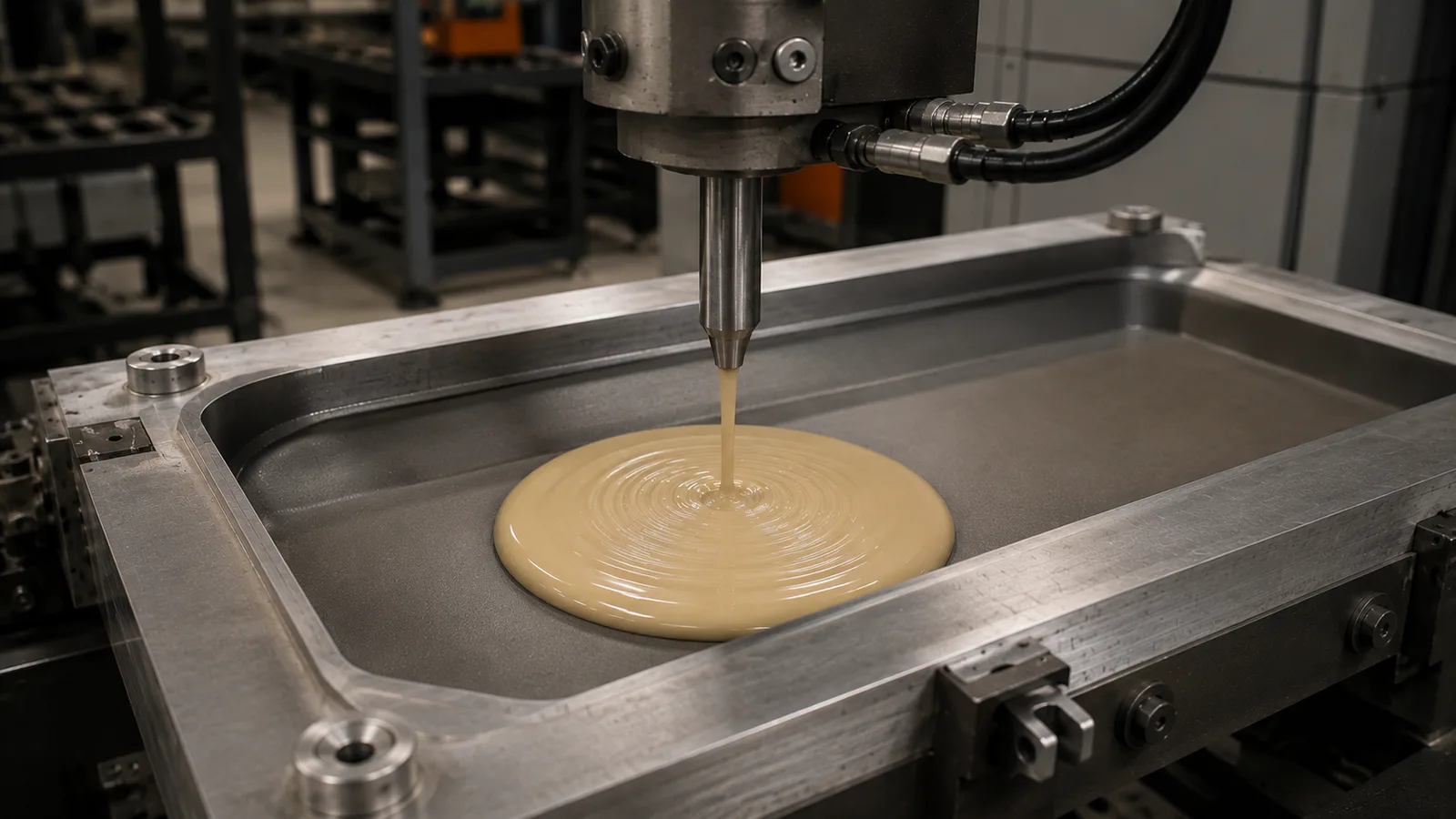
Technology PUR in production of integral polyurethane foam parts
We use integral PUR polyurethane foam technology to produce parts with matched shape, surface and parameters. Mold, process and quality control determine the appearance and functionality of the element.
What is polyurethane integral PUR foam?
Integral PUR polyurethane foam is a material processed in a mold — it allows obtaining a part with a specific shape, surface and parameters, tailored to a specific application.
A characteristic of the technology is the compact outer layer — integral skin. The finished surface is created during production, eliminating the need for upholstering or laminating.
Below — how PUR technology works in practice. Full material benefits can be found on the PUR Advantages page.
Discover PUR advantages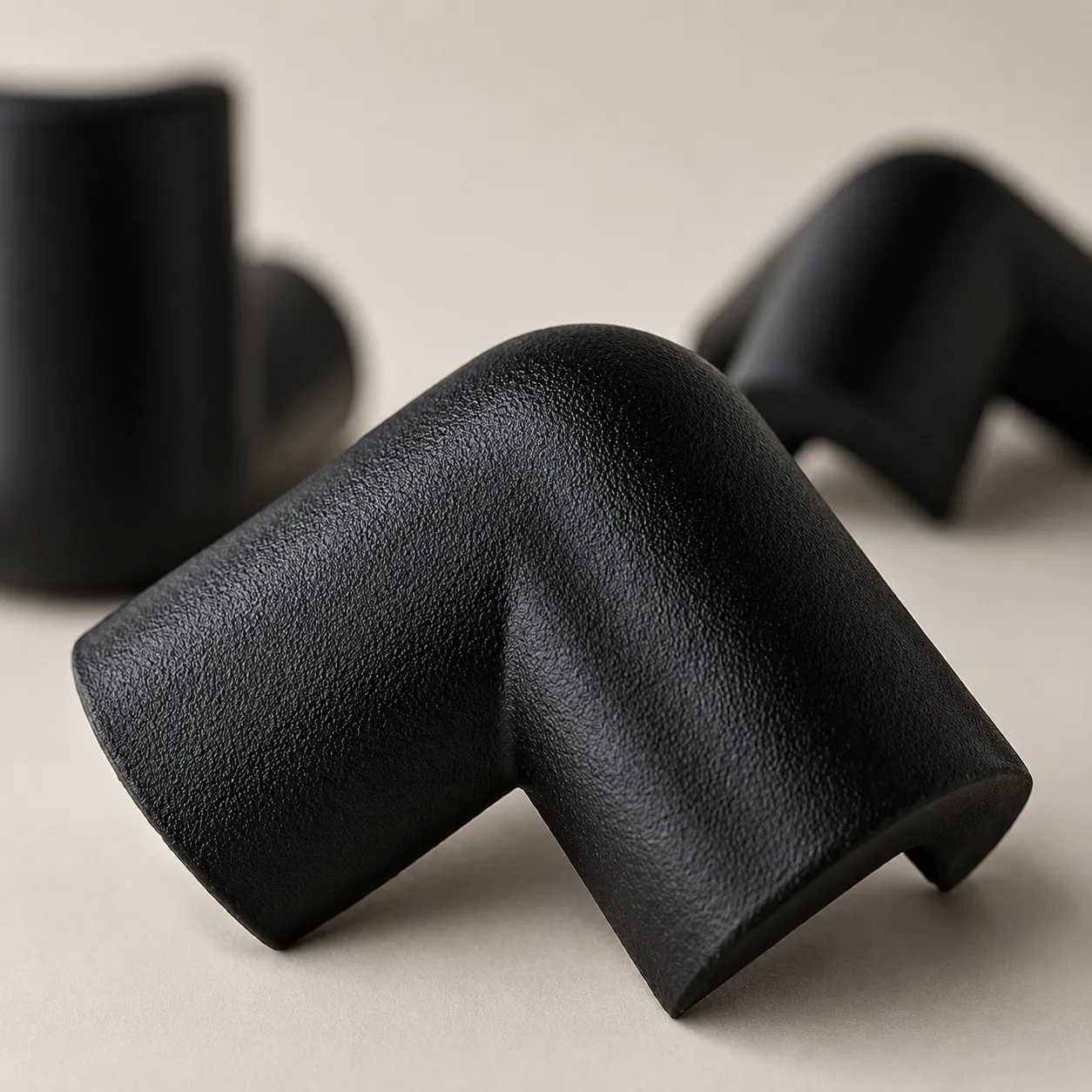
How the production technology PUR parts?
Part requirements analysis
Element function, geometry, operating conditions and industry requirements are determined.
Material and parameter selection
Material parameters are matched to the part application, e.g. hardness, flexibility, surface and resistance.
Mold preparation
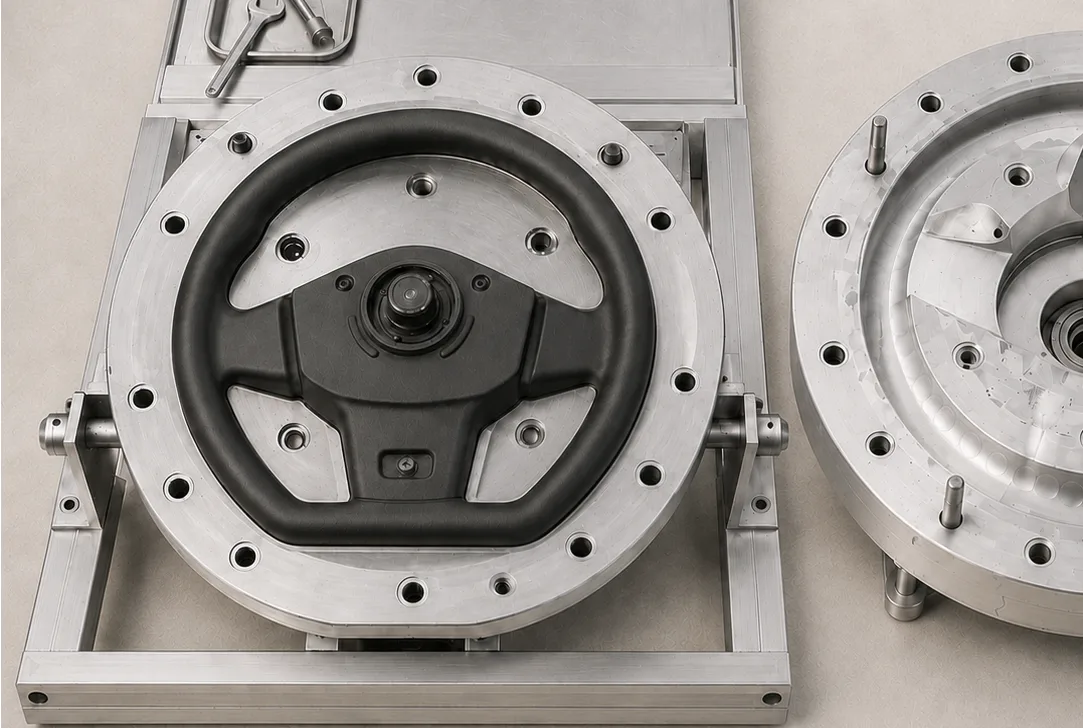
The mold defines the shape, surface and repeatability of the finished element.
Production in mold
PUR material is processed in the mold, achieving target shape, structure and integral outer skin.
Finishing and control
The finished part is checked for compliance with project requirements.
What we determine before production detalu PUR?
Every parameter is a customization opportunity. The more precisely you define requirements, the better we select technology, material and mold.
Sourcing PUR components for Sweden?
See information for Swedish companiesShape and geometry
The mold allows obtaining a part matched to the design and application — from simple profiles to complex 3D geometries.
→ Provide dimensions, shape or send a drawing/3D model.
Surface and texture
Technology enables achieving desired surface finish, eliminating the need for upholstering.
→ Specify expected finish: smooth, grained, with distinct texture.
Hardness and flexibility
Material parameters matched to element function — from soft Shore A 35 to hard Shore A 75.
→ Indicate expected hardness or describe operating conditions.
Colors
Mass coloring in RAL colors — color is durable, doesn't peel and requires no painting.
→ Provide RAL number or send a color sample.
RAL ColorsAdditional elements and inserts
PUR part can be combined with metal inserts, threads, bushings or mounting elements.
→ Specify mounting method and need for inserts.
Inserts in offerFire retardant formulations
We use flame-retardant formulations meeting standards including EN 45545-2. Formula selection depends on industry requirements.
→ Indicate required standards or fire class.
Quality and certificatesOperating conditions
We match part properties to the working environment: temperature, chemicals, UV, moisture and mechanical loads.
→ Describe the environment and operating conditions of the element.
Production scale
We fulfill orders from dozens to series of thousands of pieces per year.
→ Provide expected quantity and order frequency.
The role of molds in PUR technology
A mold is essential for producing integral polyurethane parts. It defines geometry, surface and repeatability of the PUR part. Well-prepared — it ensures compliance with design, production optimization and expected part quality.
The finish, i.e. mold texture, is perfectly reflected on the final part. Integral skin is created directly during production.
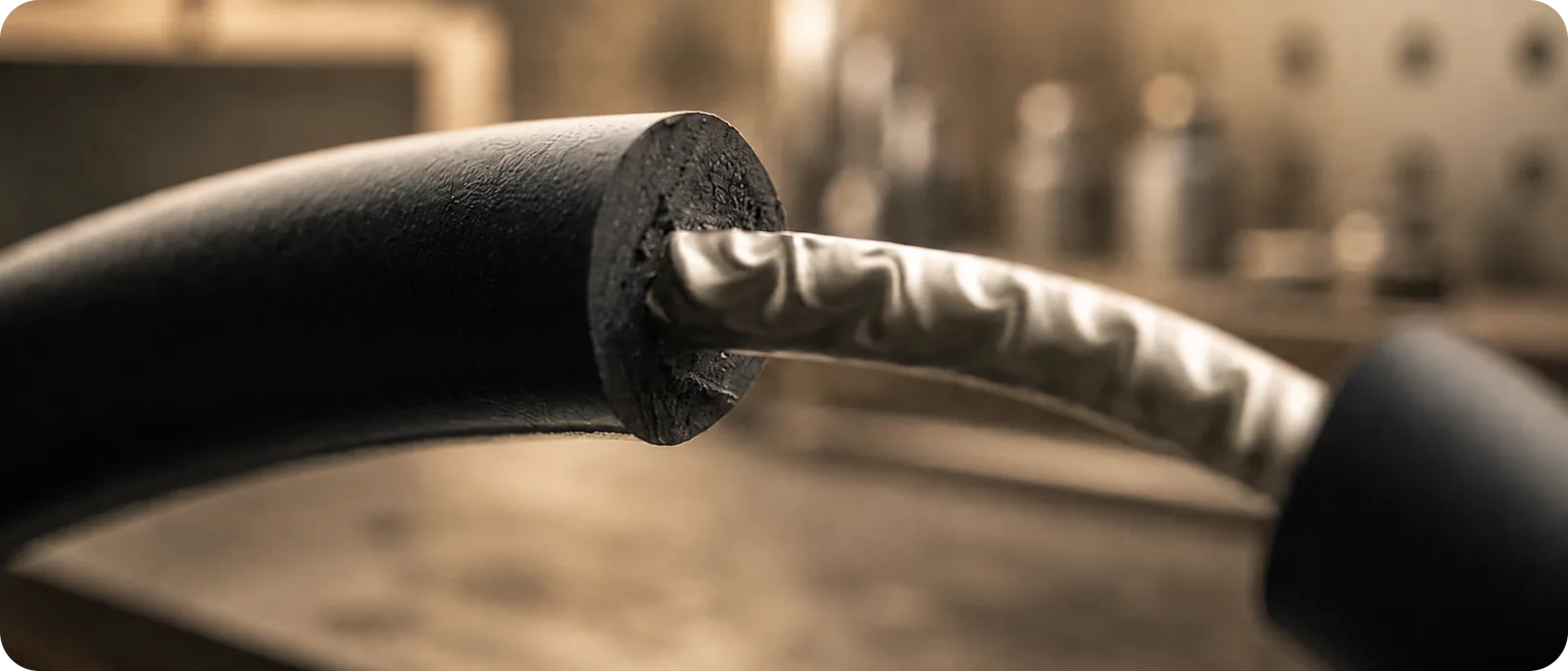
Cross-section: metal insert overmolded with integral PUR foam
Inserts and PUR connection with other elements
PUR technology enables combining polyurethane foam with metal inserts and mounting points — the part gains assembly, reinforcing or structural functions.
Inserts and metal elements in our offerColors and finishing
We match color, texture and finish of the PUR part to the design or visual identity. The finished surface is created during production — without upholstering or laminating.
See RAL colors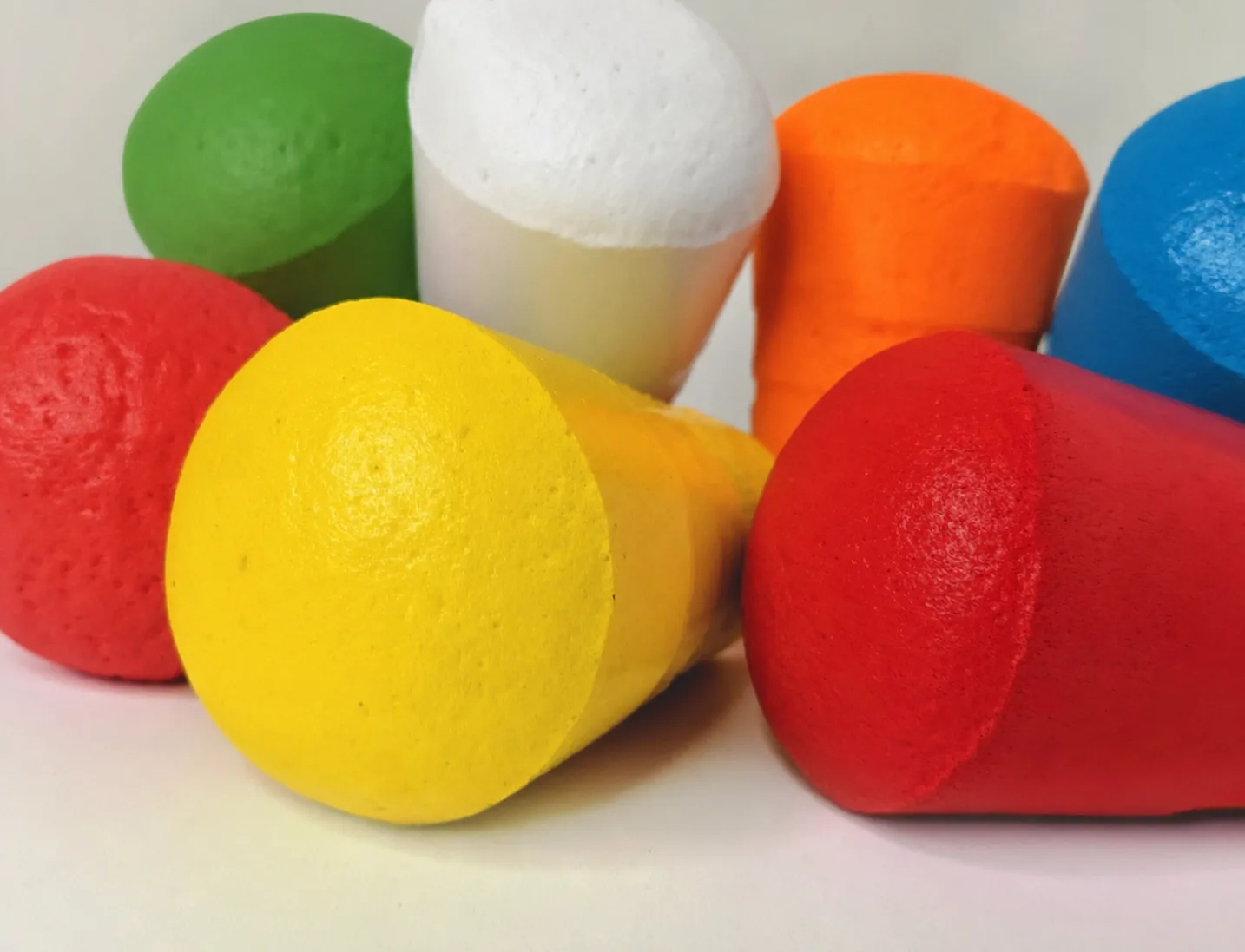
Technology and quality
PUR part quality depends on process parameter control, mold and repeatability — monitored at every production stage.
In industries requiring fire resistance (railway, transport, aviation) we usefire retardant formulations meeting EN 45545-2, FMVSS 302 and ECE R118 standards —details of standards and certificates on the Quality page.
Quality & Certificates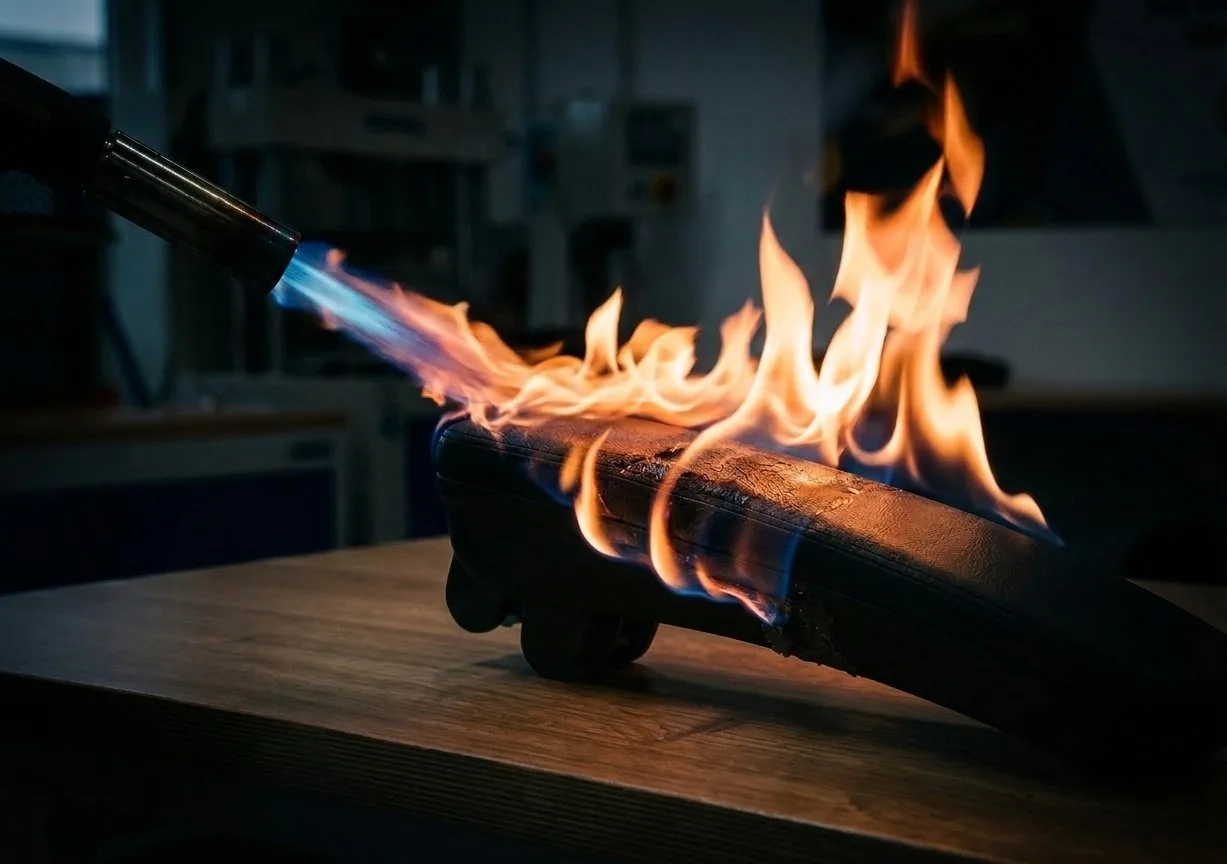
Flame-retardant formulations
We produce parts meeting strict fire resistance standards required in railway and public transport.
Our flame-retardant formulations meet standards:
- EN 45545-2 — standard for railway transport (HL1, HL2, HL3)
- FMVSS 302 — standard for automotive industry (USA)
- ECE R118 — fire resistance standard for materials in buses and M2/M3 vehicles
Have a part to manufacture in PUR technology?
Send a description, technical drawing or requirements — we'll select a technological solution matched to the application.